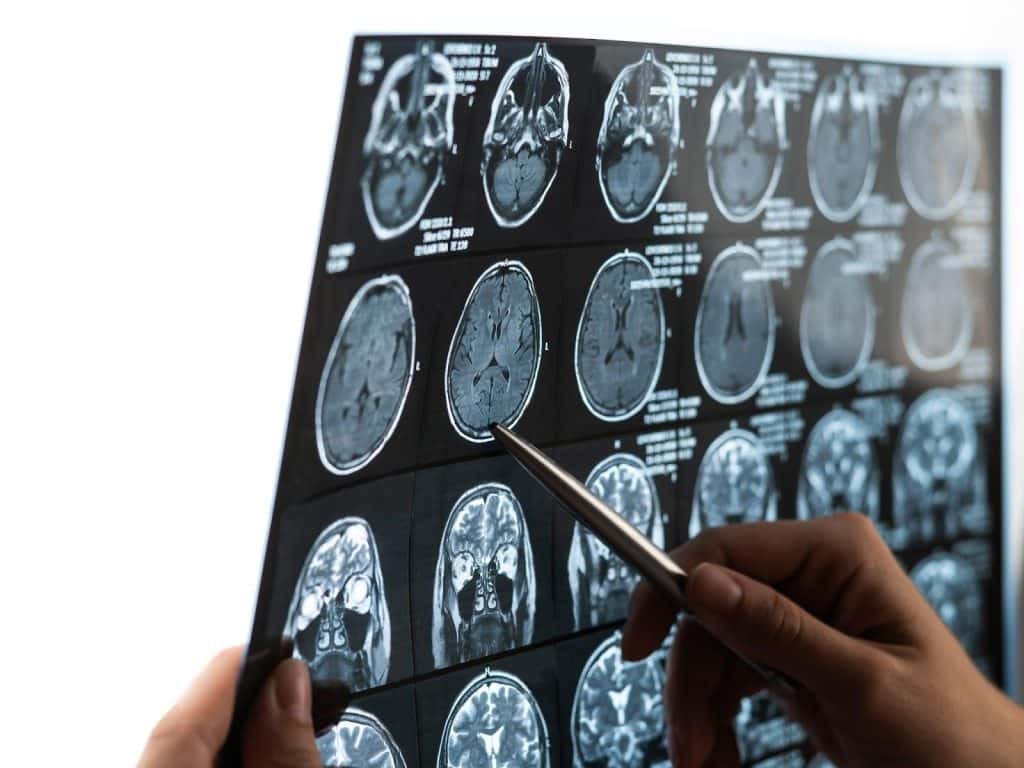
According to the National Center for Health Statistics, over 1,000 people die from strokes each year in New Mexico. While this might be below the national average, each death represents an irrevocable loss for a spouse, a child, or a sibling in the Land of Enchantment. Many of these deaths are avoidable, and medical negligence is a serious concern in acute stroke treatment. This type of malpractice can occur in many different ways, and it may be difficult for families to identify. Families who suspect medical negligence in acute stroke treatment may wish to speak with an experienced medical malpractice lawyer in New Mexico. Continue this discussion with the compassionate and experienced New Mexico medical negligence legal team at Erin Marshall Law by calling (505) 218-9949.
What Is an Acute Stroke?
According to the National Library of Medicine, stroke is the second leading cause of death in the world. Patients who survive face serious disability and burdensome financial pressures during their recovery. In simple terms, a stroke causes sudden damage to the brain cells – either by oxygen/nutrient starvation or increased pressure. Acute strokes fall into two categories:
Ischemic Strokes
Ischemic strokes are associated with obstructed blood vessels. This obstruction prevents blood from reaching the brain – starving it of oxygen and nutrients. Within this category, there are more than 100 different pathologies – although most ischemic strokes are caused by large vessel disease, small vessel disease, or cardioembolism. Elderly individuals face a heightened risk for ischemic strokes, but so do diabetics, cigarette smokers, and heart disease patients of all ages. This is the most common type of acute stroke in the United States.
Hemorrhagic Strokes
Hemorrhagic strokes are associated with ruptured blood vessels, and they fall into two further sub-categories: intracerebral hemorrhages (ICH) and subarachnoid hemorrhages (SAH). ICH is the second most common form of acute stroke, and it disproportionately affects elderly New Mexico residents. That being said, smokers, alcoholics, and those taking certain medication may experience ICH at any age.
SAH causes just 5% of all strokes, and this type of stroke is usually associated with ruptured aneurysms. Risk factors include advanced age, smoking, genetics, alcoholism, and the consumption of certain drugs.
What Is the Standard Acute Stroke Treatment in New Mexico?
The first step of any effective acute stroke treatment plan is to dial 9-11. Victims of strokes may be unable to call for help, and family members may need to act quickly after spotting potential signs of danger:
- Sudden numbness (especially in one side of the body or face)
- Sudden inability to speak or understand conversations
- Sudden loss of vision
- Sudden difficulty with walking, balancing, or coordination
- Sudden, severe headaches
Although family members should keep an eye out for these stroke signs, the average spouse or child is not a trained medical professional. In contrast, doctors and nurses have a legal duty of care to notice these signs in a timely manner. If a patient exhibits obvious signs of an acute stroke and healthcare providers fail to take action, this could constitute medical negligence. Note that nursing home staff should be particularly wary of possible strokes among their elderly patients.
Doctors Should Administer Emergency IV Medication Quickly
Even if healthcare providers correctly identify signs of stroke, they may face allegations of medical negligence if they fail to choose the correct treatment options. A common treatment for ischemic stroke is an intravenous (IV) medicine called recombinant tissue plasminogen activator (TPA). The Mayo Clinic refers to this as the “gold standard” for ischemic stroke treatment but notes that it could be ineffective unless it occurs within 4.5 hours of the stroke.
Any unreasonable delay in TPA treatment could constitute medical negligence in New Mexico. If the exact time delay between the initial symptoms and TPA is unclear, Erin Marshall Law may be able to help. A medical malpractice lawyer could request access to medical records that show exactly how much time passed before doctors administered IV medication. During the discovery phase of a medical malpractice lawsuit, healthcare providers may be legally required to disclose these records.
Doctors Must Choose the Correct Stroke Treatment Option
Even if doctors act quickly, they may choose the wrong type of acute stroke treatment. The symptoms of ischemic strokes can be very similar to those of hemorrhagic strokes, and misdiagnosis is always a possibility. TPA is the only Food and Drug Administration (FDA) approved for ischemic stroke, and other treatments are necessary for hemorrhagic stroke. If a doctor misdiagnoses an ischemic stroke as a hemorrhagic stroke (or vice versa), they may choose ineffective treatment. Healthcare providers must carefully diagnose strokes with methods such as blood tests, CT scans, MRIs, carotid ultrasounds, cerebral angiograms, and echocardiograms.
While TPA is FDA-approved for ischemic strokes, other treatments are more appropriate for hemorrhagic strokes. These treatment options focus on controlling bleeding within the brain and reducing pressure on brain cells. Surgery is a common choice, and doctors may clamp aneurysms to reduce blood flow. Surgeons may also insert coils via a catheter to induce a blood clot. These surgical procedures are invasive, and the risk of permanent brain damage is always present. Doctors have a legal duty to carefully consider these risks when choosing the most appropriate treatment option. If they chose surgery when a less invasive method would have been equally effective, there may be questions about potential medical negligence. For example, stereotactic radiosurgery is becoming increasingly popular – and it is less invasive than many other methods.
Surgical Errors May Constitute Medical Malpractice
Doctors may face accusations of malpractice even if they correctly identify signs of a stroke, act in a timely manner, and choose the right treatment option. For example, an error during surgery can cause permanent and unnecessary damage. Families may be able to file a medical malpractice lawsuit in the aftermath of a surgical error. Surgeons must follow very specific steps during these surgeries, and any deviation from the “standard care process” could raise questions about medical negligence.
Contact Erin Marshall Law Today
Acute stroke treatment is a complex area of medicine, and it may be challenging for families to determine whether anything went wrong during this process. An experienced medical malpractice lawyer in New Mexico may be able to provide additional insights, potentially identifying signs of medical negligence. While internet research might provide basic education about malpractice in stroke treatment, a lawyer could offer additional guidance about your legal and financial rights during a consultation. Consider calling (505) 218-9949 to discuss this subject further with Erin Marshall Law.