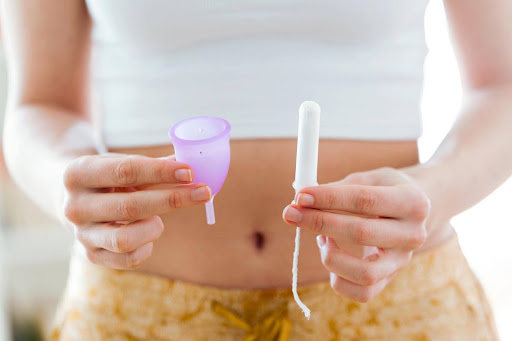
Menstruation is a natural part of life for most women. For most women who experience menstruation, the associated symptoms such as painful cramps, tender breasts, bloating, and food cravings are also considered natural and normal. Women of color, especially migrant or refugee women, may experience more stigma around discussing menstruation. Women raised in certain religions or cultures may also experience a stigma that limits the information they receive. This means they may experience abnormal signs and symptoms, but assume they are normal because they do not have anyone to tell them otherwise.
This includes healthcare providers, who often brush off women’s concerns about their health. Therefore, when women experience extreme menstrual bleeding, they may not realize it is a problem until it significantly interferes with their lives. Even when they do realize it is a problem and seek help, their healthcare provider’s failure to diagnose and address the symptoms and any underlying conditions related to it can create more problems and potentially even put the woman’s life at risk.
If you have experienced this kind of medical negligence, an experienced New Mexico medical malpractice attorney with Erin Marshall Law may be able to assist you in gathering evidence, finding expert witnesses, and building a strong case to get the compensation you deserve under the law. Call (505) 218-9949 to schedule an appointment in our Albuquerque office to review your case and learn what legal options are available.
What Is Extreme Menstrual Bleeding?
The medical term for extreme menstrual bleeding is menorrhagia. Johns Hopkins Medical defines menorrhagia as heavy or prolonged bleeding. Specifically, it is bleeding that lasts longer than seven days or that requires the individual to change a tampon or pad at least once per hour for several hours. This excessively heavy or prolonged menstrual bleeding can result in blood loss severe enough to disrupt the individual’s daily activities, interfere with their sleep, and potentially cause anemia.
Women often experience fluctuating levels of bleeding during their period, from light spotting to heavy flows and occasional “gushes” of blood. This can lead some women to believe that their heavy menstrual bleeding is normal when it is not. Other indications that the individual’s heavy menstrual bleeding is abnormal include:
- Needing to wake up to change their sanitary protection during the night
- Using double sanitary protection (using two pads or two tampons, or a tampon and a pad) at the same time to control the menstrual flow
- Passing blood clots that are larger than a quarter
- Experiencing menstrual cramps so severe that they interfere with daily activities
- Bleeding between periods or after intercourse
- Showing signs of anemia (fatigue, shortness of breath, weakness)
- Any vaginal bleeding after a woman has experienced menopause
Common Causes of Heavy Menstrual Bleeding
Menorrhagia, or heavy menstrual bleeding, can be caused by a variety of conditions. Some of these conditions can include:
- Hormonal imbalances
- Adenomyosis (endometrial tissue growing into the muscular wall of the uterus)
- Uterine fibroids and polyps
- Ovary dysfunction (such as irregular ovulation)
- Certain medications (blood thinners and certain hormonal medications)
- Bleeding disorders
- Endometriosis
- Cancer (in rare cases)
In some cases, there is no underlying cause for menorrhagia, which is called idiopathic menorrhagia. However, even when there is no underlying condition, seeking and receiving treatment is still essential to prevent complications such as anemia, pain, and discomfort.
Potential Complications of Untreated Bleeding
When heavy menstrual bleeding goes untreated, it can lead to bigger complications that make life much more difficult for the individual. Some of the potential complications that can arise from untreated menorrhagia include:
- Anemia: Anemia is a lack of healthy red blood cells, which prevents enough oxygen from reaching the body’s organs and tissues. This leads to fatigue, shortness of breath, weakness, and a rapid heart rate. Left untreated, anemia can cause heart problems and complications during pregnancy, among other issues.
- Reduced Quality of Life: The worry about bleeding on clothing and furniture, the need to have extra sanitary protection, and the painful cramps of menorrhagia can cause many individuals to call in sick to work, skip activities they enjoy, and avoid leaving the house unnecessarily. This can reduce their quality of life significantly and may lead to depression or anxiety as well.
- Pain and Discomfort: Heavy menstrual bleeding is often associated with extremely painful abdominal cramps. Individuals may also have lower abdominal or pelvic pain, and pain that radiates to their lower back or legs. These pains are often significantly worse than normal menstrual cramps and may not be improved with over-the-counter pain relievers.
- Concealment and Stigma: Menstruation and heavy bleeding are frequently considered taboo topics and have a severe social stigma attached to them. This can make it challenging for women to discuss the subject with their healthcare providers. As the condition continues and possibly worsens, they may feel more embarrassment and shame, and take further steps to conceal the condition instead of seeking help. If they do seek help and are brushed off or treated poorly, they are often more likely to continue to suffer in silence rather than seek out a second opinion.
- Fatigue: Aside from the fatigue that can result from anemia, many women suffering from menorrhagia can become fatigued from the near-constant pain and discomfort, the unpredictability of their bleeding, and the effort involved in trying to avoid embarrassment, such as carrying large amounts of sanitary protection supplies and extra changes of clothes. They also face mental exhaustion from being constantly on alert during their period, worried that the bleeding will worsen even more and make a public and humiliating mess.
- Worsening of Underlying Conditions: While idiopathic menorrhagia has no underlying cause, many times, heavy menstrual bleeding does have an underlying condition. When that is the case, lack of treatment can cause the underlying condition to worsen. This can worsen the individual’s symptoms and potentially cause permanent damage.
- Hypotension: Heavy menstrual bleeding can become severe enough to cause low blood pressure, which can lead to feeling faint, dizziness, or a racing heart. Individuals feeling symptoms of low blood pressure while bleeding heavily should seek medical attention immediately to check for dangerously low blood volume.
- Shock: In extreme cases, menorrhagia can result in enough blood loss to cause shock symptoms. These symptoms are similar to those of low blood pressure and require immediate medical attention.
- Infertility: When heavy menstrual bleeding is the result of an underlying condition that can cause fertility issues, such as endometriosis, leaving the bleeding untreated may result in infertility.
Appropriate Medical Care for Heavy Menstrual Bleeding
To be able to recognize whether medical negligence may have occurred in their diagnosis and treatment, an individual must first understand what the appropriate medical care for heavy menstrual bleeding would look like. Diagnosis begins with a medical history and evaluation, then may involve a variety of tests. Finally, based on the information from the history and evaluation and the results of the tests, a treatment plan is created.
Medical History and Evaluation
During this phase of the diagnosis process, the healthcare provider will perform a physical exam and pelvic exam. They will ask questions about the individual’s menstrual history, including their age when they had their first period, how many days their period lasts, how many days that period is heavy, whether family members have a history of heavy menstrual bleeding, and the woman’s pregnancy history and current birth control methods.
Whether the healthcare provider asks explicitly or not, the individual should also be prepared to provide details about their quality of life. This can include information such as doubling up on sanitary products, avoiding activities they typically enjoy, or putting other restrictions on their life as a result of the bleeding. They should also be prepared to provide information regarding what pain relievers or other medications they are using and how often, how long the heavy bleeding has gone on, and any other abnormalities they have noticed about their menstrual cycle, such as missing periods or shorter cycles.
Possible Tests
The Cleveland Clinic suggests a variety of tests that healthcare providers may run to diagnose the cause of menorrhagia. These tests may include blood tests, hormone assessments, pap smears, cervical cultures, imaging scans such as ultrasounds or magnetic resonance imaging (MRI), endometrial biopsies, sonohysterograms, or hysteroscopies. The healthcare provider may not run all these tests, particularly if they can narrow down potential causes based on the individual’s medical history and symptoms. However, the healthcare provider will likely perform a pelvic ultrasound at a minimum, as this is the most common way menorrhagia is diagnosed.
Treatment Plan
Once the healthcare provider has the individual’s medical and menstrual history and the results of any tests they have run, they should be able to diagnose any underlying causes for the heavy menstrual bleeding and provide a treatment plan. Treatment varies depending on the cause and severity of the bleeding, the individual’s age and overall health, and medical history.
Medications, such as iron supplements, birth control, or hormone replacement therapy, may be used to treat some cases and are often recommended before surgical options. If medications do not work or are not a reasonable option, surgical procedures such as myomectomy, hysteroscopy (which can both diagnose and treat the condition), dilation and curettage (D&C), uterine artery embolization (UAE), endometrial ablation, or hysterectomy may be recommended.
Disparities in Knowledge and Treatment of Menstrual Bleeding
Michigan Medicine at the University of Michigan reports that one in five women experiences heavy menstrual bleeding, and that a disproportionate number of those women are Black or Hispanic. Many of these women have experienced this heavy bleeding since they began menstruating, so they believe that it is just normal menstruation. Almost half of the Black women that the researchers spoke to did not believe there was anything they could do about their heavy bleeding.
This lack of clear and useful information, combined with cultural differences among Native American and migrant populations, possible language barriers in Native American, Hispanic, and migrant communities, and limited health literacy, often means that even when a woman does report heavy bleeding to her healthcare provider, she may be ignored, misdiagnosed, or mistreated. Alternatively, she may be pressured into consenting to treatments or tests she does not understand instead of giving informed consent. Individuals can reduce the damage of these disparities by taking the following steps:
- Advocate for Yourself: Many women find it difficult to speak up and create potential conflict, but advocating for themselves is crucial in getting an accurate diagnosis and treatment. Some women may feel more comfortable advocating for themselves if they bring someone along for moral support, such as a spouse, parent, or close friend.
- Seek a Second Opinion: Whether the individual feels they have been ignored, misdiagnosed, mistreated, or is concerned that the treatment seems too extreme, seeking out a second opinion is always a good idea. In addition to providing peace of mind, if a second opinion disagrees with the first, it may be helpful in a medical negligence claim.
- Look for Support From Advocacy Groups: Advocacy groups, such as the Hemophilia Outreach Center, can offer information and resources that can assist individuals in advocating for themselves or finding healthcare providers who can assist them.
- Seek Out Local Resources: There are several local resources for heavy menstrual bleeding, including the University of New Mexico’s Health System’s Gynecological Services and Women’s Specialists of New Mexico. Additional local resources include the New Mexico Department of Health and the New Mexico Health Helpline, which can be reached at (833) 796-8773.
Establishing Medical Negligence to Pursue a Claim
When an individual believes that the care they received was not appropriate and that they may have experienced medical negligence when seeking a diagnosis or treatment for heavy menstrual bleeding, they must do several things to establish and pursue their claim. An experienced medical malpractice attorney with Erin Marshall Law may be able to assist with these steps.
Establish the Standard of Care and Its Breach
Individuals must establish that there was:
- A duty of care: a patient-provider relationship between the individual and the healthcare provider
- That there was a breach of that duty: that the provider did not do something they should have, or vice versa, and that another provider in the same position would have done
- Causation: that the provider’s actions or inactions resulted in injury to the patient, such as their condition worsening
- That the individual suffered damages due to that injury: that the individual had higher medical bills, lost time at work, or pain and suffering
Part of establishing these factors will include gathering evidence such as medical records, consultations, and other relevant documentation. An attorney can assist with reviewing this evidence and evaluating the case to determine if there is a claim.
Find Expert Witnesses to Support the Claim
When there is enough evidence to file a claim, expert testimony can be essential in proving medical negligence. Particularly when demonstrating a breach in the standard of care and that the breach caused injury, an expert’s confirmation that they would have acted differently and that, in their expert opinion, the allegedly-negligent provider’s actions were negligent, carries significant weight with judges and juries. Expert witnesses can also help explain complex medical procedures and standards in plain language that judges and juries can understand, allowing them to better make the connection between a provider’s care and the individual’s suffering.
Submit the Case to the Medical Review Commission
N.M. Stat § 41-5-14 (1976) requires all medical negligence cases to be submitted to the New Mexico Medical Review Commission for review and findings before the case is filed in court. The findings of the commission are not binding, which means even if the commission finds that there was no negligence, the individual may still pursue their claim.
File Before the Statute of Limitations Expires
N.M. Stat §41-5-13 (1976) provides that individuals have three years from the date of the act of negligence to file their claim. This may seem like a long time, but if an individual did not realize that the care they received was negligent right away, they may have already lost a significant amount of time. Collecting evidence, submitting the claim to the Medical Review Commission, and other steps involved in filing a claim also take time. Therefore, once an individual has begun to suspect they may have experienced medical negligence, they should consider consulting with an attorney and taking action as quickly as possible.
Possible Damages You May Recover
New Mexico allows individuals to recover both economic and non-economic damages in medical malpractice claims. Economic damages that may be recovered include medical expenses and lost wages, while non-economic damages include pain and suffering and emotional distress. However, the state does limit the total damages an individual can recover. Punitive damages and damages for past and future medical care and related benefits are excluded from this cap on damages, but other damages (such as lost wages or pain and suffering) are included and cannot exceed the limit.
How a New Mexico Medical Malpractice Attorney May Assist You
While many women living with menorrhagia think there is nothing to be done for it, this is not the case. If you sought medical care for extreme menstrual bleeding and the healthcare provider ignored your concerns, did not take the proper steps to diagnose and treat you, or failed to diagnose or treat you properly, you may have a claim for medical negligence. At Erin Marshall Law, our experienced medical malpractice attorneys may be able to help you establish your claim, gather evidence, submit your claim to the review commission, and represent you in court, if necessary. Call (505) 218-9949 to schedule an appointment and explore your legal rights and options.