
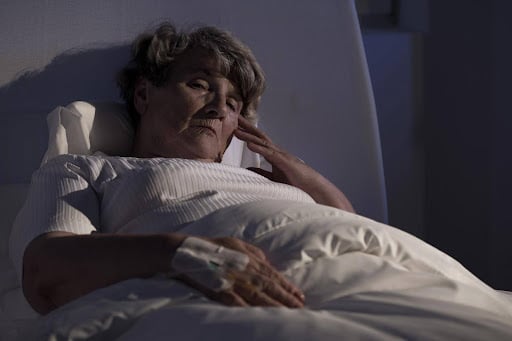
For those with aging loved ones, having peace of mind regarding their care can be invaluable. Knowing that a nursing home or care facility has their patient’s best interests at heart can take a weight of worry off these individuals while also providing care to aging family members. However, unexplained injuries or changes in an elderly resident’s behavior may cause family to worry about medical malpractice or elder neglect.
In these cases, determining the exact circumstances can be difficult, specifically when the elder in care is unable to effectively communicate their needs or thoughts. Even if improper behavior is evident, deducing whether this behavior is medical malpractice or elder neglect can be challenging. Is there a difference between elder neglect and medical malpractice? Does a malpractice charge change an elder neglect case? An experienced New Mexico medical malpractice attorney from Firecrest Injury Law may be able to help evaluate the details of a case and may be able to provide a measure of clarity. Consider scheduling a consultation today by calling (505) 218-9949.
Who Qualifies as an Elder in Elder Neglect Cases
To determine the nature of an elder neglect or medical malpractice case, one must first be aware of the legal definition of an elder. For the purposes of an elder neglect or elder abuse case, the victim must be over the age of 65 and unable to fulfill at least one basic human need such as eating, dressing themselves, using the restroom, or others for themselves.
If these criteria are met, the individual in question may qualify as an elder for an elder neglect or elder abuse case. However, the charges themselves will depend on the actions involved and the degree of the facility’s failure of care.
What is Medical Malpractice?
Medical malpractice in New Mexico is defined as actions taken by a medical professional that do not meet the standard of care for the individual. Medical professionals such as doctors and nurses are expected by the law to meet a certain standard for the well-being of individuals in their care. Failure to meet these standards may be considered medical malpractice. Due to its broad terminology, medical malpractice can be found in a wide array of situations, including emergency care, hospitals, and nursing homes.
A medical malpractice claim may need to be verified by the New Mexico Medical Review Commission, according to the State Bar of New Mexico.
Signs of Medical Malpractice
If an individual in care suffers severe complications due to the actions of a medical professional, this may constitute a malpractice case. However, this is not the only factor. Failure to provide informed consent to the individual or their medical power of attorney may be considered medical malpractice, as well as misdiagnosis of illnesses, delayed diagnoses, ineffective treatment, or unaddressed symptoms.
For more information on the definitions of medical malpractice, consider speaking with a skilled New Mexico medical negligence attorney from Firecrest Injury Law.
What is Elder Neglect?
While symptoms of elder neglect may appear similar to medical malpractice, there are several key differences that make this offense unique. Elder neglect is specifically the failure to provide adequate care and meet the needs of an elder who is unable to care for themselves. By failing to provide consistent and adequate care to an elder, they may cause discomfort or injury to their charge. This is an offense committed by a caretaker of the individual in question, not necessarily a doctor or medical professional who does not regularly provide 24 hour care.
Signs of Elder Neglect
Some signs of elder neglect include unexplained injuries or bruises, bedsores or pressure sores resulting from failure to adjust the patient’s resting position, poor hygiene, malnourishment, and symptoms of anxiety, depression, or confusion. Essentially, negative changes in an elder’s disposition or health that could be related to their daily care and the attentiveness of their caretaker.
Elder Neglect and Elder Abuse
While the terminology may be similar, it is important to note the differences between elder neglect and elder abuse. Both apply to the same demographic of people, but the intent behind the actions and the legal consequences may be different. Elder abuse is causing direct and intentional harm to an elder, which may include physical, medical, or sexual abuse. Elder neglect is a failure to provide adequate care, which can result from negligence or lack of attentiveness to the needs of the elders in care.
Key Legal Differences Between Malpractice and Neglect
The primary difference between medical malpractice and elder neglect or elder abuse is the at-fault party. Medical malpractice is a charge against a medical professional providing services such as occasional care, checkups, prescriptions, or medical intervention. Elder neglect, however, is directed at long term caretakers. 24 hour caretakers or other individuals responsible for the health and well-being of an elder in their care may be liable for an elder neglect charge, providing the other conditions are met.
Additionally, the compensation available for both medical malpractice lawsuits and elder neglect may vary. Understanding the differences between these charges may help clarify whether a given case is an elder neglect case or medical malpractice.
Violation of Advance Healthcare Directives
Including many other statutes, the New Mexico Uniform Health Care Decisions Act provides for individuals to specify their desired forms of healthcare when nearing the end of their lives. Advance healthcare directives specify which forms of care the individual prefers, and may be a helpful guideline for medical professionals providing care in an end of life situation.
However, failure to fulfill the requests presented in these advance healthcare directives may constitute breach of contract, provided the medical professional was properly informed. In these cases, breach of contract may also constitute medical malpractice.
A Skilled Medical Negligence Attorney May Be Able to Help
While discovering a case of elder neglect or medical malpractice can be shocking and distressing, this may not be the end of a family’s challenges. Filing claims and seeking accommodations for aging loved ones can be overwhelming. Additionally, ensuring that legal guidelines and deadlines such as the New Mexico statute of limitations for medical malpractice claims outlined in N.M. Stat. § 41-5-13 may provide unnecessary stress.
However, a skilled New Mexico medical negligence attorney from Firecrest Injury Law may be able to mitigate the stress of these situations by assisting in compiling evidence, building a case, and providing guidance on how to properly submit a medical malpractice claim. Consider scheduling an initial consultation by calling the office at (505) 218-9949.