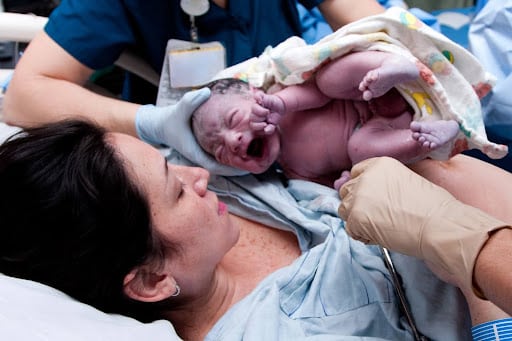
Birth injuries are unfortunately common. Childbirth poses some natural risks to both mothers and infants, so in some cases birth injuries may not be preventable. All too often, however, medical errors can cause unnecessary harm, or contribute additional complications to an already delicate situation. When birth injuries are caused by medical errors on the part of the labor and delivery team, parents and families may be entitled to compensation. No amount of money can ever truly undo the damage that is done when a child’s entry into the world is marred by birth injuries – but in many cases financial compensation can pay for the further medical care needed as a result of the injuries. When the damage caused by birth injuries is permanent, financial compensation can also provide for the costs of ongoing supportive care. To learn more about how medical errors may affect your family’s situation relating to birth injuries, contact the Albuquerque medical injury team at Erin Marshall Law. Call 505-218-9949 to schedule a consultation.
Common Complications that Can Increase the Risk of Birth Injuries
Birth injuries can occur in labor and delivery scenarios that are typically considered “normal” and low-risk, especially if there are medical errors by the healthcare professionals assisting with the birth. However, there are a few potential complications during childbirth that tend to increase the risks of certain birth injuries. Becoming familiar with the relationship between individual childbirth complications and the specific birth injury risks with which they are associated can often lay a strong foundation for new parents to understand where medical errors may have impacted their case.
Breech Birth
The “normal” position for a baby entering the birth canal is head-down. There are a number of biological advantages to the head-first position, most of them revolving around the basic premise that, when one needs to squeeze an object through a tight – yet elastic – space, it is generally easier to lead with the narrowest end of the object. The same essential principle applies even when the “object” in question is a baby and the “space” is the mother’s birth canal, and most babies do helpfully assume a head-down position in the final stages of pregnancy.
Risks Posed by Breech Births
In a breech birth, the baby is positioned to enter the birth canal feet-first – or, depending on one’s perspective, hips-first (the fetal position after all gets its name from the curled-in position of a child in the womb, which pulls knees to chest and tucks heels close to hips). In addition to increasing the chances of serious maternal injuries, such as severe tearing, a breech birth also increases the risks of some birth injuries, especially skeletal fractures or joint dislocations to the infant’s arms or legs. The Cleveland Clinic explains that more serious complications may occur when the umbilical cord becomes twisted or flattened during a breech birth, potentially cutting off the baby’s oxygen supply. This lack of oxygen is called hypoxia, and can easily result in permanent damage if not quickly addressed.
Medical Interventions for Breech Births
Because breech births are strongly associated with increased risks for both mothers and infants, breech presentation at the onset of labor is a common reason for initiating a surgical delivery via Caesarean section (more often called a C-section). A Caesarean section can be a lifesaving intervention for both mothers and infants – but like any surgery, the procedure presents its own risks. Clear doctor-patient communication in the delivery room regarding the risks and potential outcomes is essential, even in the often tight timeframes imposed by the later stages of childbirth.
Macrosomia
Fetal macrosomia is the medical term for an infant who weighs more than 8 pounds, 13 ounces. As the Mayo Clinic points out, fetal macrosomia may be diagnosed regardless of the infant’s “gestational age” (time in the womb), and affects a little less than 10% of childbirths globally. While many mothers are aware of the potential health concerns raised by low birth weight, the reality is that larger infants may be at risk of some types of birth injuries as well. Often the birth injury risks associated with fetal macrosomia are related to the difficulties many women experience in delivering very large babies, and the interventions labor and delivery teams may attempt as they assist in the birthing process.
Caesarean Delivery
A C-section delivery, in which the baby is withdrawn through an incision in the mother’s abdomen, can be both a medical team’s response to an existing birth complication and a complicating factor on its own. Common reasons for a Caesarean delivery include:
- Fetal macrosomia
- Narrow maternal pelvis or birth canal
- Detection of abnormality in fetal heartbeat during childbirth
- “Failure to progress” during labor, according to the Cleveland Clinic
- Breech birth
The potential for adverse outcomes may be increased when the situation is further complicated by medical errors, such as beginning the surgery too early or late in a woman’s labor, or the use of improper surgical technique.
Medical Complications vs. Medical Errors
Not all of the birth injuries arising from a difficult delivery are necessarily the result of medical errors. Bringing a baby into the world is a challenging process, and the other side of that process – entering the world to draw one’s first breath – can pose its own risks. However, medical professionals are bound to follow the “standard of care” in treating all patients. Deviations from that standard that result in patient injury may constitute medical malpractice. A birth injury lawyer with Erin Marshall Law may be able to help you evaluate the factors present in your own family’s unique situation.
Common Medical Errors During Delivery and the Birth Injuries With Which They Are Associated
Many birth injuries may be genuinely unavoidable. In other instances, however, medical errors can result in harm to an infant during an otherwise uneventful, “low-risk” delivery. Knowing some of the most common birth injuries and the medical errors with which they are sometimes associated may be helpful in determining the likelihood that medical errors contributed to your child’s birth injuries – but you may also wish to consider speaking with an attorney who has experience in handling birth injury cases to gain additional insights and perspective.
Brachial Plexus Injury
As John Hopkins Medicine explains, brachial plexus injury results from excessive stretching or twisting of the area where the shoulder joins the torso, near the collarbone. Damage to the brachial nerve cluster is not exclusive to birth injuries and under the right circumstances can occur in adults. Mismanagement of a difficult birth by the labor and delivery team can make brachial plexus injury more likely. In addition, medical errors such as overly aggressive pulling to assist in maternal “pushing” during the second stage of labor, or improper use of forceps or vacuuming techniques to facilitate the birth, can also put the brachial plexus under excessive strain.
This type of birth injury manifests as weakness or reduced motor control in the arm and hand on the affected side of the body. For obvious reasons, assessing strength and motor control in newborns can prove challenging, so it is important to be watchful for possible signs of brachial plexus injury, especially after an assisted delivery. Seek prompt medical evaluation for your baby if he or she demonstrates noticeable disparity in strength or dexterity between the left vs. right sides.
Head Trauma
Forceps can be implicated in a number of birth injuries, depending on how they are used. Some of the most common birth injuries resulting from improper forceps use involve trauma to the infant’s head, so excessive force can cause bruising and tearing of the body’s delicate skin, according to the Cleveland Clinic. In the most severe cases, medical errors involving forceps may result in permanent brain damage and even infant death.
Unlike many other types of birth injuries, head trauma caused by forceps in an “assisted” delivery tends to be more common in vaginal births with the baby in a “normal,” head-down position. Head trauma may be more likely in cases involving fetal macrosomia or when the second stage of labor stalls. The use of forceps to assist in a delivery is not necessarily always a mistake, as skillful use of these tools can sometimes help to deliver a baby safely without an emergency C-section. Because the risks as well as the benefits can be substantial, however, it is crucial for the medical team to communicate clearly with the patient (the mother in labor) throughout the birthing process, particularly about important decisions such as whether to attempt assisted delivery through the use of forceps.
Hypoxic-Ischemic Encephalopathy (HIE)
Hypoxic-ischemic encephalopathy, often abbreviated as HIE, results when not enough blood and oxygen are reaching the brain. Although this condition can be caused by circumstances other than childbirth, it is a common birth injury in difficult deliveries.
The brain is a delicate organ, and irreversible damage can set in rapidly once the tissues are starved of blood and oxygen. Labor and delivery teams commonly monitor fetal vital signs throughout a birth for any indicators of developing hypoxia. Some of the most potentially damaging medical errors in this context may occur when the medical team fails to respond to such indicators promptly. Many of the common interventions used to address possible fetal hypoxia, such as assisted labor (with vacuum or forceps) and emergency C-section, can also pose their own risks of birth injuries, so in birth injury cases involving HIE a medical malpractice lawyer may work with a medical expert to determine whether, and how, the actions of the labor and delivery team deviated from the medically accepted standard of care.
Speak With a New Mexico Birth Injury Lawyer
Many birth injuries are tragically unavoidable. This sad truth makes it all the more crucial for healthcare professionals to exercise the utmost care and discernment to prevent medical errors from unnecessarily adding to the number of birth injuries that occur each year. If your child’s start in life has been impacted by birth injuries, and you have concerns that the medical team attending your child’s birth may have contributed to these adverse outcomes through medical errors, you may have a case for compensation to help cover the costs of your child’s medical bills and other current and future losses. A conversation with a New Mexico medical injury attorney at Erin Marshall Law may help you to understand your legal options for moving forward. Call our Albuquerque office today at 505-218-9949 to schedule a consultation with a member of our experienced and compassionate birth injury team.